 Abijah
SINGAPORE TO LAUNCH NO-BOARDING RULES FROM 2026 TO HALT HIGH-RISK TRAVELERS BEFORE ARRIVAL
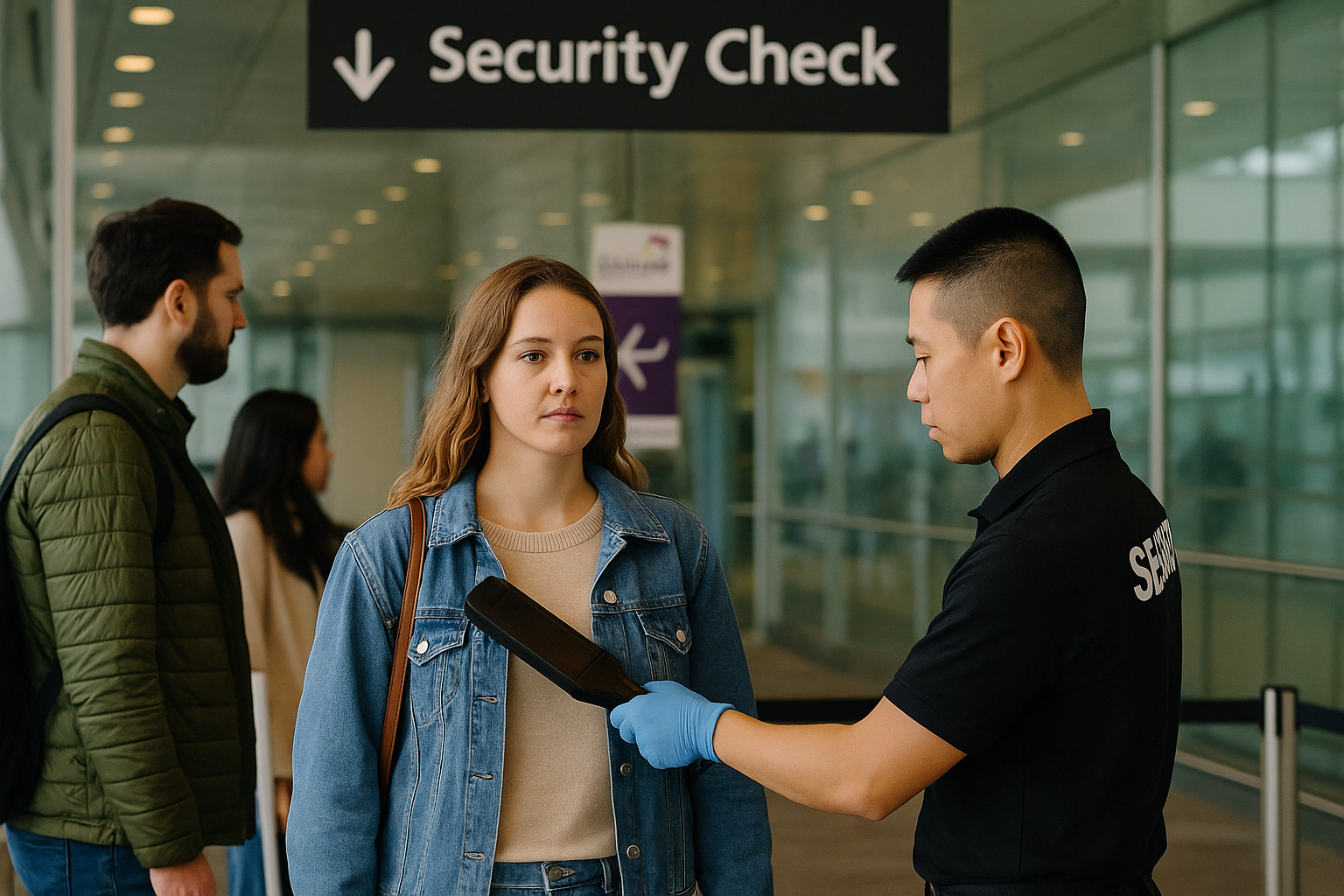
Singapore is launching a new set of immigration regulations, No-Boarding Directives (NBDs), intended to halt high-threat travelers before they enter the nation.
The ruling will authorize the immigration government to direct airlines and shipping firms to refuse boarding to passengers who are flagged as security, public health, or relocation threats from 2026 onwards.
The No-Boarding Directives (NBDs) are an aspect of a broader federal technique that comprises extended biometric clearance structures and stricter immigration guidelines across all access checkpoints.
Based on the authority, the effort is prepared to promote national safety, protect public health, and deter unlawful access before it occurs.
SINGAPORE TO START NO-BOARDING DIRECTIVES IN STAGES
The No-Boarding Directives (NBDs) were launched following the Immigration (Amendment) Act, which started on 31 December 2024.
Under the new laws:
- Airlines are required to begin implementing the rulings from 2026.
- Shipping firms are anticipated to adhere by 2028.
- Land checkpoints, like the ones used by buses and private cars entering the country from Malaysia, are not yet attached, though the Immigration and Checkpoints Authority (ICA) is contemplating prolonging screening for those pathways.
The objective is to halt unaccepted travelers before they land at Singapore’s borders. ICA intends to use information analysis, security inspection, and biometric profiling to recognize prospective risks on time.
ICA REFUSED ACCESS TO 43% MORE INTERNATIONAL CITIZENS IN EARLY 2025
In the first half of 2025, according to the Immigration and Checkpoints Authority (ICA), 43% more foreign nationals were denied entry to Singapore than the year before after using robust inspections and better screening instruments.
The rise is bound to actions to identify high-risk persons before they get to Singapore’s border, as part of the standards to enhance safety. The Immigration and Checkpoints Authority has not provided the actual information; however, the people who are likely to be refused likely fall into the following classification:
- criminal history that led to their initial deportation or prohibition.
- Individual flagged as a safety or public health risk
- Travelers with suspected connections to extremist crews or organized crime connections.
Officials state that the objective is not to halt true guests but to catch prospective risks on time and ensure Singapore’s safety and public well-being.
More individuals are passing through Singapore’s borders. Last year, 230 million tourists used its checkpoints, up from 197 million in 2015.
With three key infrastructure tasks coming up, the numbers are anticipated to increase further.
- The goal is to extend Woodlands Checkpoint in the next ten to fifteen years.
- The Singapore Rapid Transit System (RTS), known as Johor Bahru, is prepared for launch by December 2026.
- Terminal 5 at Changi Airport is expected to open around the middle of the 2030s.
The difficulty is that the Immigration and Checkpoint Authority can not keep elevating its workers at the same speed. Rather, it is investing additional resources in better technology.
KEY CHANGE FOR TRAVELERS IS PASSPORT-FREE IMMIGRATION CLEARANCE
Under the Immigration and Checkpoint Authority’s New Clearance Concept, which started in 2019 and is currently fully implemented, all travelers, irrespective of nationality, can clear immigration with the use of biometrics.
Passport stamps have been replaced with facial or iris scans at sea and air checkpoints.
At land checkpoints, Clearance is carried out using QR codes, and total biometric reviews are anticipated soon.
By 30 June 2025, 93 million individuals had cleared relocation without indicating a passport, and that number is expected to increase.
Several travelers from the province still fly into Malaysia and travel to Singapore by road. These land pathways have low pre-screening, as transport operators are not required to share advance passenger information like airlines do.
Singapore’s government knows the space and is working to address it.
Immigration and Checkpoints Authority intends to bring no-boarding pattern assessments to land crossings as well. While this will take some time, travelers are required to anticipate additional information collection and checking on cross-border road trips in the years to come.


 Abijah