 Abijah
Japan has always carried a special fascination for workers abroad orderly cities, cutting-edge technology, and a culture that balances tradition with modern efficiency.
But what really makes people pack their bags? For many, it’s the steady demand for factory jobs in Japan for foreigners with visa sponsorship (2025).
These opportunities aren’t just a paycheck. They’re often the first stepping stone for people who want to build a stable life in Japan, whether short-term or long-term.
And yes, visa sponsorship is real companies know they need skilled, reliable workers, and they’re willing to support the paperwork if you’re the right fit.
Why Factories Keep Hiring Foreign Workers
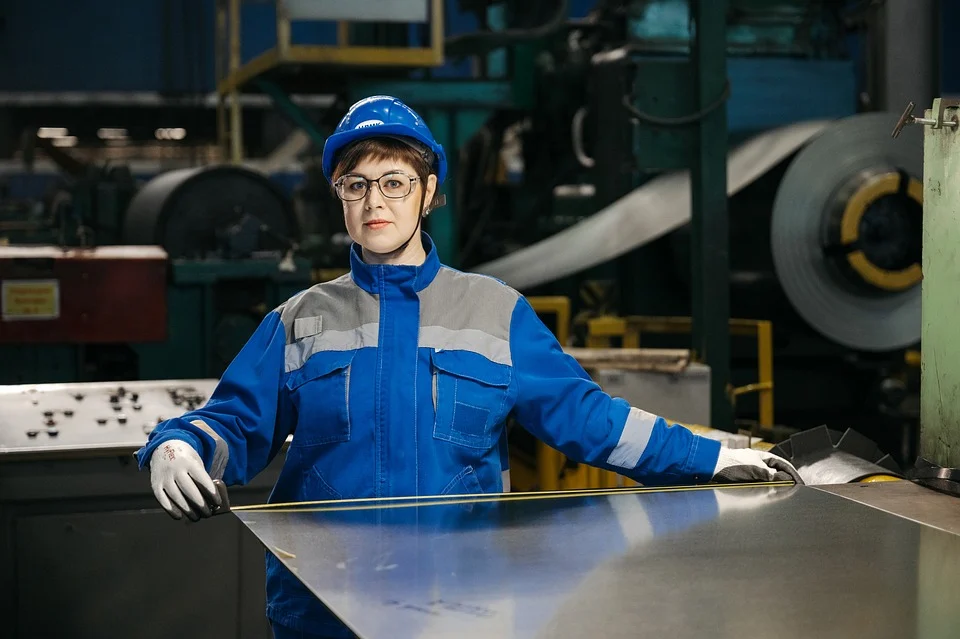
Factories in Japan are not slowing down. Electronics, automotive parts, food processing you name it, there’s constant demand. Toyota, Panasonic, and even smaller regional companies are expanding production. The local workforce is shrinking because of an aging population, so factories lean on foreign talent more than ever.
This isn’t charity. It’s necessity. Japan’s labor shortage isn’t a headline, it’s an everyday reality for companies that need to keep the assembly lines moving. That means if you’re serious, opportunities are waiting.
What Kinds of Jobs Are Available?
- Factory work in Japan isn’t one-size-fits-all. Here’s a taste of what foreigners typically get into:
- Automobile manufacturing – assembling parts, quality checks, painting.
- Electronics – inspection, packaging, small component assembly.
- Food processing – handling production lines, packing, and labeling.
- Textiles and plastics – machine operation and general line work.
The majority of these roles don’t require advanced Japanese. Of course, learning some basic phrases helps, but many companies provide instructions in simple Japanese or even English.
Visa Sponsorship: How Does It Work?
Let’s be real nobody wants the headache of navigating Japan’s immigration system alone. That’s where visa sponsorship comes in. Many factories are registered to bring in workers under the Specified Skilled Worker (SSW) visa program.
The SSW visa covers 14 industries, and manufacturing is one of the biggest. If you secure a job offer with a sponsoring company, they’ll handle the paperwork and guide you through the process. Usually, you’ll need:
Proof of job offer
Basic Japanese test (JLPT N4 or similar don’t panic, it’s beginner level)
Health check
Some companies also provide housing or discounted dormitories. That’s a lifesaver when you’re new to the country and don’t want to worry about hunting for an apartment in a foreign language.
The Day-to-Day Reality
Factory jobs aren’t glamorous, but they’re honest work, and many foreigners actually prefer them. Why? Predictable shifts, overtime pay, and no need for advanced degrees.
Yes, the work can be repetitive, and yes, it’s physically demanding at times. But Japan balances that with strict safety standards, scheduled breaks, and in many cases, decent cafeterias on-site. The structure appeals to people who like routine and stability.
And let’s not forget the emotional side: some workers describe the rhythm of factory life as oddly meditative hands moving, machines humming, hours passing steadily. It’s work, but it doesn’t always feel crushing.
Salaries and Benefits
Average salaries for factory workers in Japan hover around ¥180,000–¥250,000 per month (roughly $1,200–$1,700). Overtime bumps that number up, and since many companies offer subsidized housing, you end up saving more than you’d expect.
Benefits often include:
- Health insurance
- Pension contributions
- Paid leave (though Japanese companies can be a bit stingy with days off)
- Contract renewal with potential for permanent status
Challenges You Should Expect
It wouldn’t be fair to sugarcoat everything. There are hurdles:
Language barrier – You’ll survive with basic Japanese, but life outside work can be tricky.
Cultural differences – Japanese workplaces value punctuality and harmony. Standing out too much, even unintentionally, can feel awkward.
Physical strain – Shifts can last 8–10 hours, sometimes with weekend work.
But thousands of foreigners have adjusted, many even choosing to stay long-term. Some switch industries after their contract, while others stick to factories because they like the rhythm.
In conclusion
Here’s the thing: factory jobs won’t make you rich, but they can give you something more valuable stability, a foothold in Japan, and a chance to grow. For many, that’s worth far more than a paycheck.
Top 5 Developed Asian Countries Offering Visa Sponsorship Jobs (2025)


 Abijah